| | 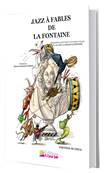 Jazz à fables, Compositions by Pierre-Gérard VERNY on fables by Jean de LA FONTAINE, for equal voices choir SA and jazz trio. On the occasion of the 400th anniversary of the birth of Jean de La Fontaine, Pierre-Gérard Verny proposes the continuation (and the end) of his trilogy devoted to the composition of works for mixed choir ( SATB) and jazz trio (or piano), on the Fables of the poet. Jazz à fables, Compositions by Pierre-Gérard VERNY on fables by Jean de LA FONTAINE, for equal voices choir SA and jazz trio. On the occasion of the 400th anniversary of the birth of Jean de La Fontaine, Pierre-Gérard Verny proposes the continuation (and the end) of his trilogy devoted to the composition of works for mixed choir ( SATB) and jazz trio (or piano), on the Fables of the poet. |
| | |  Jazz à fables, Compositions by Pierre-Gérard VERNY on fables by Jean de LA FONTAINE, for equal voices choir SA and jazz trio. On the occasion of the 400th anniversary of the birth of Jean de La Fontaine, Pierre-Gérard Verny proposes the continuation (and the end) of his trilogy devoted to the composition of works for mixed choir ( SATB) and jazz trio (or piano), on the Fables of the poet. Jazz à fables, Compositions by Pierre-Gérard VERNY on fables by Jean de LA FONTAINE, for equal voices choir SA and jazz trio. On the occasion of the 400th anniversary of the birth of Jean de La Fontaine, Pierre-Gérard Verny proposes the continuation (and the end) of his trilogy devoted to the composition of works for mixed choir ( SATB) and jazz trio (or piano), on the Fables of the poet. |
| | |  Jules Massenet was born in 1842 in Saint-Étienne and died in 1912 in Paris. He was a renowned composer. He was also a teacher in Conservatoire de Paris. He also wan the Grand Prix de Rome. Several great composers were his students: Georges Enesco, Florent Schmitt, Ernest Chausson, and Gabriel Pierné. He was accused of sentimentality and unfairly unknown. We love to rediscover his melodies and sophisticated harmonies. A biennial festival in Saint-Étienne is organized as a tribute paid to him. His name was given to the conservatory of Saint-Étienne. “Joie !” is the second part of the trilogy opus 2. This song was ordered by a trio of sopranos composed of three sisters from a good family. It was often the case by the end of the 19th century. The atmosphere is bucolic and charming. Part 3 can be sung by a mezzo-soprano. This duet can also be sung by choirs. It is even better when the song is sung with the two others from the trilogy. Jules Massenet was born in 1842 in Saint-Étienne and died in 1912 in Paris. He was a renowned composer. He was also a teacher in Conservatoire de Paris. He also wan the Grand Prix de Rome. Several great composers were his students: Georges Enesco, Florent Schmitt, Ernest Chausson, and Gabriel Pierné. He was accused of sentimentality and unfairly unknown. We love to rediscover his melodies and sophisticated harmonies. A biennial festival in Saint-Étienne is organized as a tribute paid to him. His name was given to the conservatory of Saint-Étienne. “Joie !” is the second part of the trilogy opus 2. This song was ordered by a trio of sopranos composed of three sisters from a good family. It was often the case by the end of the 19th century. The atmosphere is bucolic and charming. Part 3 can be sung by a mezzo-soprano. This duet can also be sung by choirs. It is even better when the song is sung with the two others from the trilogy. |
| | |  2 parts choir in spoken-rhythme - Mirtha Pozzi 2 parts choir in spoken-rhythme - Mirtha Pozzi |
|
|